Best TimeJune to September and January to February
Kenya DestinationNational ParkNorthern Kenya
Marsabit National Park
A remote northern park where forested volcanic slopes and crater lakes rise unexpectedly from the surrounding desert.
High SeasonDecember to March and July to October
Size1,554 km² / 600 mi²
Altitude483-1,707 m / 1,585-5,600 ft
Why visit Marsabit National Park?
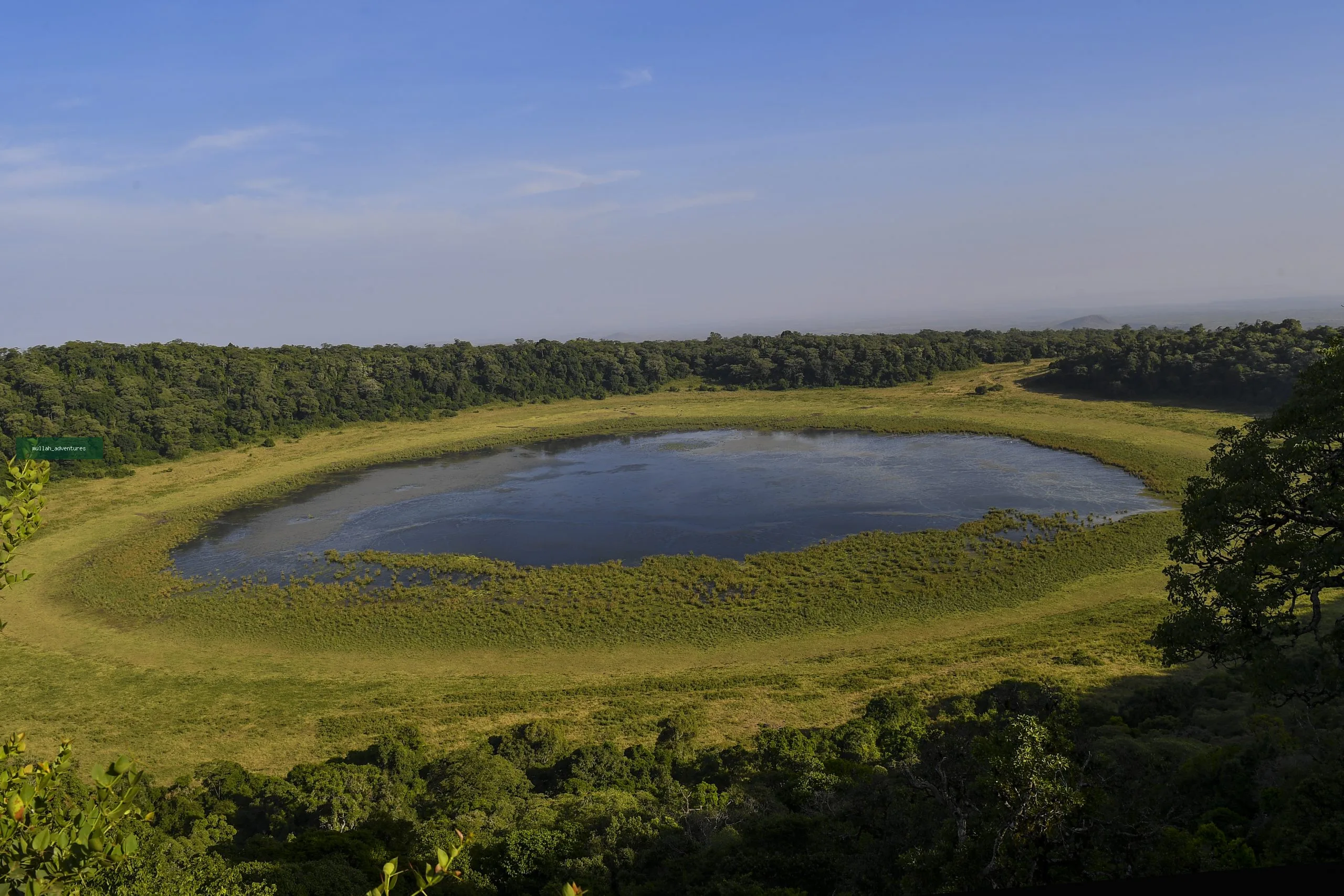
Marsabit National Park protects the forested slopes of an extinct volcano in Kenya’s arid north. The contrast between lush highland forest and the surrounding dry country is dramatic, and crater lakes attract elephant, buffalo and rich birdlife.
A quick, practical view
Why travellers choose it
Highlights
- ✓Remote and rarely crowded
- ✓Beautiful forest-fringed crater lakes
- ✓Historic big-tusked elephant country
- ✓Excellent northern birding
Good to know
Considerations
- •Long travel distances
- •Limited accommodation choices
- •Some roads require a capable high-clearance 4x4
01
Wildlife
What you can see
Elephant and buffalo are the most notable large mammals around the crater lakes and forest. The park also supports primates, antelope and a wide range of birds.
02
Scenery & Habitat
The landscape
Dense mountain forest, volcanic slopes and crater lakes rise above an otherwise arid northern landscape, creating one of Kenya’s strongest ecological contrasts.
03
Experiences
Things to do
Game drives around the crater lakes, birding, scenic photography and cultural extensions in the wider Marsabit region are the main experiences.
Plan Around The Seasons
When to visit Marsabit National Park
Best Time To Visit
When to go
June to September and January to February usually offer drier road conditions and easier exploration.
Weather & Climate
What conditions feel like
The lower country is hot and dry, but the mountain itself is cooler, greener and can receive mist and rain.
How Marsabit National Park fits into your route
Marsabit is reached by a long road journey north from central Kenya or by charter arrangements. It is best planned as part of a dedicated northern expedition.
Your Safari, Your Way
Plan My SafariReady to include Marsabit National Park?
Tell us your dates, travellers and preferred style. We will connect this destination with the right route, lodges and experiences.