
Best TimeJune to September and January to February
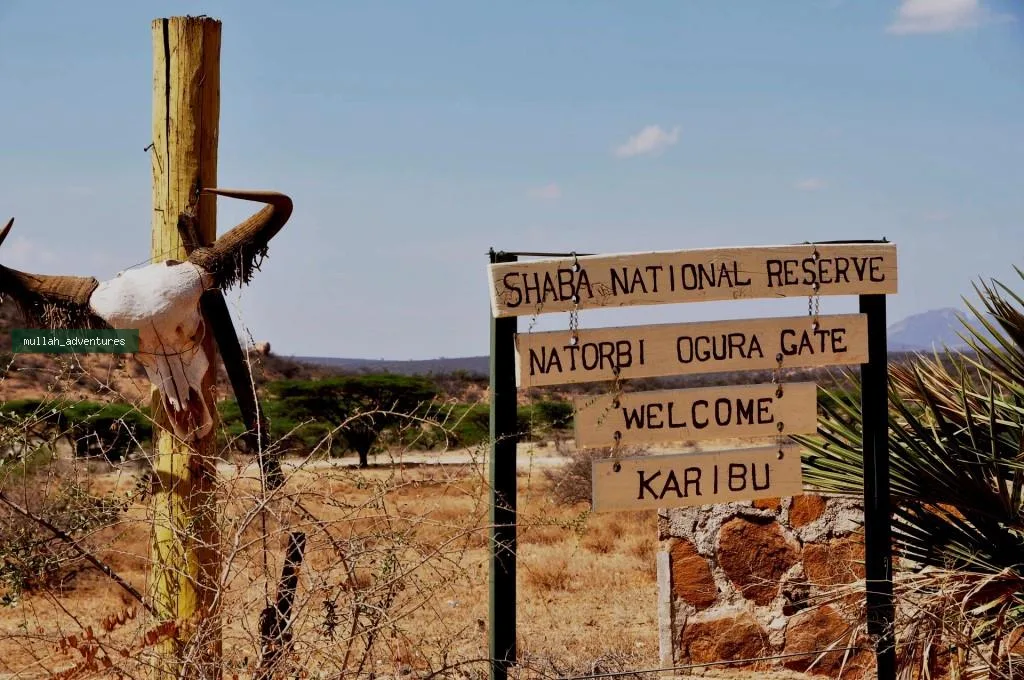
Kenya DestinationNational ReserveNorthern Kenya
Shaba National Reserve
A dramatic, low-traffic northern reserve sharing the Samburu ecosystem, valued for scenery and wilderness more than dense wildlife.
High SeasonDecember to March and July to October
Size239 km² / 92 mi²
Altitude731-1,313 m / 2,398-4,308 ft
Why visit Shaba National Reserve?
Shaba shares the wider Ewaso Nyiro ecosystem with Samburu and Buffalo Springs but feels wilder and quieter. Wildlife can be more dispersed, so it works best for travellers who value scenery, space and a sense of remoteness.
A quick, practical view
Why travellers choose it
Highlights
- ✓Strong wilderness feel
- ✓Very low visitor numbers
- ✓Beautiful arid scenery
- ✓Good dry-country birding
Good to know
Considerations
- •Wildlife can be less concentrated than Samburu or Buffalo Springs
- •Only a small choice of lodges
- •Hot, dry conditions
01
Wildlife
What you can see
Elephant, big cats and northern specialty species occur, but animal densities are typically lower than in the neighbouring reserves.
02
Scenery & Habitat
The landscape
Volcanic hills, dry plains, riverine vegetation and rugged northern landscapes make Shaba especially photogenic.
03
Experiences
Things to do
Game drives, birding, landscape photography and combined outings into Buffalo Springs are typical.
Plan Around The Seasons
When to visit Shaba National Reserve
Best Time To Visit
When to go
June to September and January to February generally offer the easiest viewing conditions and most dependable access.
Weather & Climate
What conditions feel like
Shaba is hot and dry for much of the year, with short rainy spells that can briefly green the landscape.
How Shaba National Reserve fits into your route
The reserve is reached on the same northern circuit as Samburu and Buffalo Springs, by road or local airstrip connections.
Your Safari, Your Way
Plan My SafariReady to include Shaba National Reserve?
Tell us your dates, travellers and preferred style. We will connect this destination with the right route, lodges and experiences.