
A Kenya safari can be one of the most memorable family holidays you take, but the best family itineraries are not simply adult safaris with children added to the passenger list. Children change the pace, rooming, activity choices, transfer times and sometimes the park or hotel pricing.
The goal is to keep the wildlife excitement while leaving enough space for meals, rest, swimming, shorter drives and the occasional change of plan.
Browse our family safari ideas or use Plan a Custom Safari if you already know your family’s dates.
Start with the exact ages of every child
Age matters for several reasons. Accommodation suppliers may have one child policy, park authorities another and optional activities may use a separate minimum age.
When you request a quotation, provide the age of every child rather than simply saying “two children”. That allows the itinerary and rooming to be priced correctly from the beginning.
It also prevents surprises when an activity has a minimum age or when an older child is treated as an adult by a hotel.
Choose fewer destinations and a better pace
A common mistake is trying to include every famous park in one family trip. Long transfers followed by long game drives can become exhausting, particularly for younger children.
A better family safari often uses two or three strong destinations with more nights in each place.
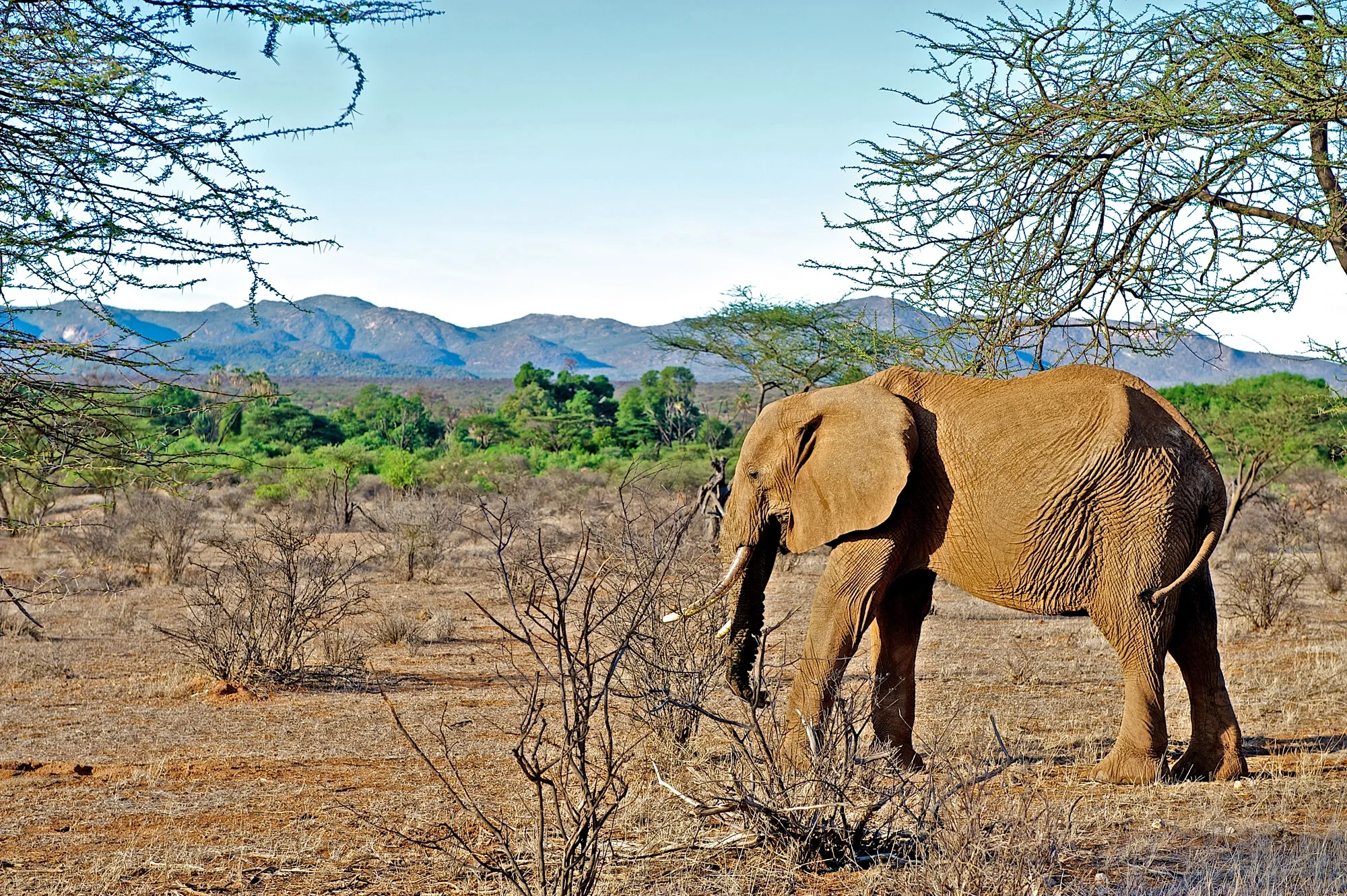
For example, Amboseli National Park can work well because it is compact, visually dramatic and known for elephants. Lake Nakuru National Park can fit naturally into a Rift Valley route, while the Masai Mara National Reserve is rewarding for families who want big-cat viewing and can manage longer game drives.
Build rest time into the day
Adults may be happy to stay in a vehicle from sunrise to lunch, but younger travellers often enjoy the safari more when the day has breaks.
A practical rhythm can be:
- Early morning game drive.
- Breakfast and relaxed lodge time.
- Lunch and swimming or rest.
- Shorter late-afternoon game drive.
- Early dinner and sleep.
On selected days, a full-day game drive may still be worthwhile, especially in a large ecosystem such as the Mara, but it does not need to happen every day.
Pick family-friendly accommodation deliberately
The right lodge can transform the trip. Look for practical features such as:
- Family rooms or interconnecting rooms.
- Flexible meal times.
- Swimming pool where appropriate.
- Safe communal areas.
- Short transfer to the main game-viewing area.
- Staff comfortable hosting children.
- Child-friendly activities at the lodge or camp.
Rooming should be confirmed early, especially during school holidays, because true family units are often limited.
Private vehicle versus shared game drives
A private safari vehicle is especially valuable for families. It lets you stop when someone needs a bathroom break, return to the lodge earlier, spend longer with an animal the children enjoy, or shorten a drive when energy levels drop.
Shared game drives can reduce cost in some locations, but the schedule is less flexible because several guests are travelling together.
Family-friendly destinations to consider
Amboseli
Amboseli is excellent for elephants, open views and photography. The relatively compact park can reduce the amount of driving needed to have a rewarding wildlife day. See our Amboseli destination guide.
Masai Mara
The Mara is ideal for families excited by lions, cheetahs, plains wildlife and dramatic game viewing. Older children often love the longer safari days. For younger children, choose accommodation that reduces unnecessary transfer time.
Lake Nakuru and the Rift Valley
Lake Nakuru can add variety to a family route and may pair well with Lake Naivasha activities. Breaking the journey between Nairobi and the Mara can also make the travel day easier.
Tsavo and the coast
Tsavo East National Park and Tsavo West National Park are strong choices for families ending with a beach holiday. The safari-to-coast progression gives children two very different experiences in one trip.
Think carefully about optional activities
Not every activity is suitable for every age. Hot-air balloon safaris, walking experiences, horse riding and night drives can have age, height, safety or operator restrictions.
We recommend choosing a few special activities rather than filling every day. Boat rides, cultural experiences and lodge-based nature activities can be good additions when appropriate.
Food and dietary needs
Tell the safari planner about allergies, intolerances or strong preferences before travel. Lodges in established safari circuits are used to international guests, but advance notice helps kitchens prepare properly.
For very young children, parents may also want to carry familiar snacks for road transfers and early game drives.
Health preparation should happen before departure
Travel-health advice depends on age, medical history, exact route and country of origin. Families should speak with an appropriate healthcare professional well before departure rather than relying only on general internet advice.
The official CDC Kenya Traveler View provides current travel-health information, including vaccine and malaria guidance. Travellers should use guidance relevant to their own country and medical circumstances.
Entry documents for children
Entry requirements can change, and children may have their own travel-authorisation requirements. Before departure, check Kenya’s official Electronic Travel Authorisation portal for current rules and exemptions.
If a child is travelling with one parent, relatives or guardians, also check whether airlines or border authorities require additional consent documentation.
What to pack for children on safari
Useful family items include:
- Lightweight neutral clothing.
- Warm layer for early mornings.
- Closed shoes plus comfortable sandals.
- Sun hat and sunscreen.
- Refillable water bottle.
- Binoculars sized for children if possible.
- Small notebook or wildlife checklist.
- Personal medicines.
- Insect repellent suitable for the child’s age.
- Familiar snacks for long drives.
- A small quiet activity for transfers.
Keep wildlife expectations realistic
Children often enjoy the unexpected details as much as the famous animals: dung beetles, birds, tracks, giraffe behaviour, hippos in water or watching elephants communicate.
A family safari becomes more engaging when the guide can explain the ecosystem rather than turning every drive into a race for the Big Five.
How many days is good for a family safari?
For a first trip, six to ten days can give enough time for two or three safari areas without rushing, although the ideal length depends on children’s ages and whether you add the coast.
If you are travelling with very young children, a shorter safari followed by several beach days can be easier than a long multi-park circuit.
The best family safari is designed around your family
There is no universal route for every age group. A family with teenagers can comfortably handle a different itinerary from parents travelling with a four-year-old.
Share your children’s ages, travel dates, rooming preferences and interests through Get a Free Quote. We can then recommend destinations, hotel types and a daily pace that makes the safari enjoyable for everyone.